

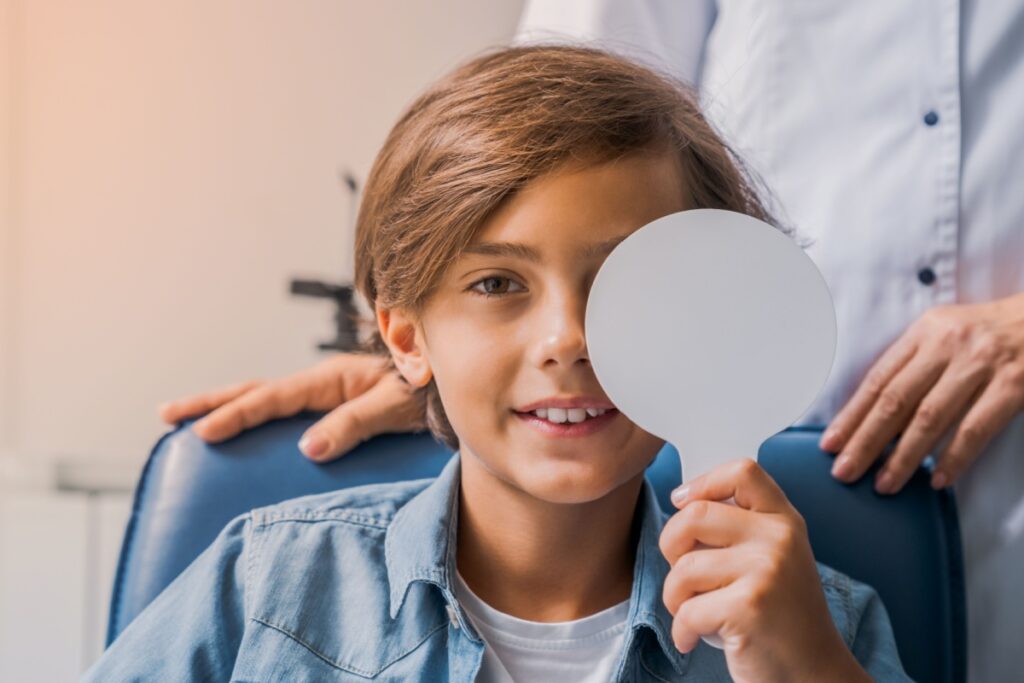
Your child squints to see the whiteboard at school, and their prescription keeps getting stronger each year. You wonder if this progression can be controlled, or if you’re watching helplessly as their vision continues to decline.
Myopia progression can be slowed with proven methods such as specialized contact lenses, atropine eye drops, and lifestyle changes, though it can’t be completely stopped. With the right approach, our team at Total Vision Fountain Valley can help protect your child’s long-term eye health and reduce their risk of serious complications later in life.
What Causes Myopia to Progress
Myopia occurs when a child’s eye grows too long, causing distant objects to look blurry. Standard glasses help fix the blurriness in the center of their vision, but they accidentally push light at the edges of the eye too far back. To “catch” that light, the eye stretches even further, which unfortunately can make the child’s nearsightedness worse over time.
Genetics plays a significant role. Children with myopic parents face higher risks. Environmental factors like excessive near work and limited outdoor time also contribute to progression rates.
Proven Methods to Slow Myopia Progression
Specialized Contact Lenses
Orthokeratology lenses work while your child sleeps, gently reshaping the cornea overnight. Your child removes them in the morning and enjoys clear vision throughout the day without glasses or contacts.
Multifocal contact lenses correct the peripheral vision focus problem that drives eye growth. These lenses help light focus properly across the entire retina, reducing the signal for continued eye elongation.
Atropine Eye Drops
Low-dose atropine drops slow eye elongation by affecting the eye’s growth mechanisms. Your child applies or receives one drop each night, and the medication works to reduce myopia progression.
These drops have minimal side effects when properly monitored. Some children experience slight light sensitivity or difficulty focusing up close, but these effects are typically mild.
Atropine often works with other treatments for desired results. Your eye doctor might combine drops with specialized lenses or recommend specific lifestyle changes.
Natural Ways to Support Eye Health
Outdoor time has been shown to help reduce myopia development risk in children. Natural sunlight appears to trigger protective mechanisms in the eye, though researchers are still studying exactly how this works.
The 20-20-20 rule helps during homework and screen time—every 20 minutes, have them look at something 20 feet away for 20 seconds. This gives your child’s focusing muscles a chance to relax.
Proper lighting during reading and homework reduces eye strain. Position lights to eliminate shadows on books or screens, and avoid working in dim conditions.
When Natural Methods Aren’t Enough
Professional treatment prevents severe myopia complications like retinal detachment, glaucoma, and cataracts later in life. Children with high myopia face significantly higher risks of these serious conditions.
Early intervention works better than waiting for the prescription to stabilize. Once myopia progresses to higher levels, your child faces lifelong increased health risks that can’t be reversed.
When Myopia Progression Typically Stops
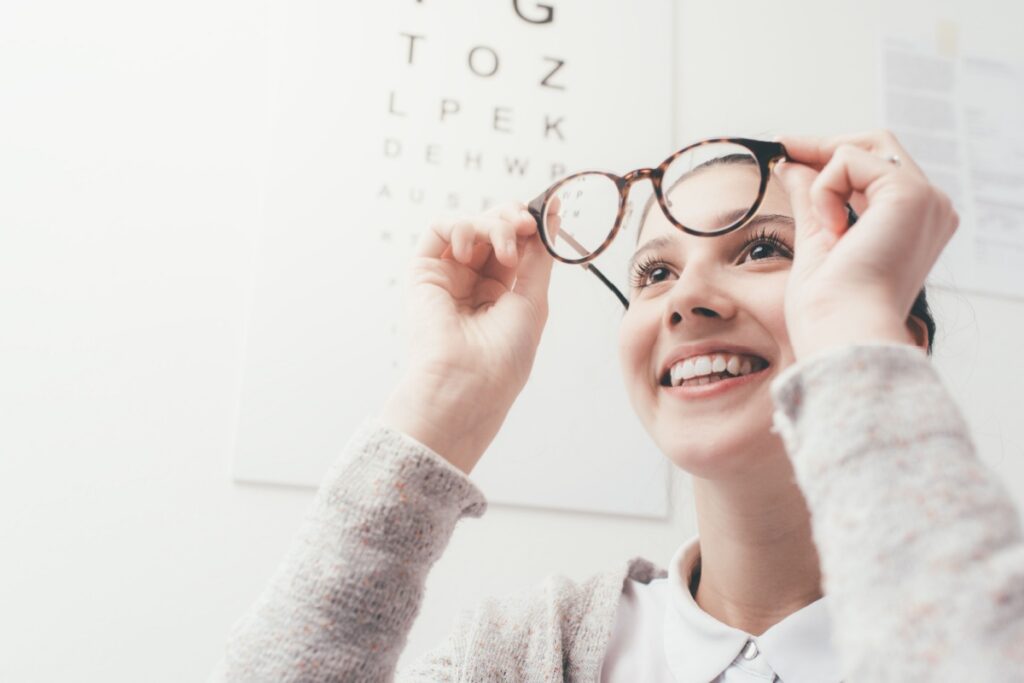
Most myopia progression slows significantly after age 18–20 when eye growth naturally stabilizes. This coincides with the end of the major growth spurts during childhood and adolescence.
Some adults continue experiencing prescription changes into their twenties or thirties. Factors like prolonged near work, health conditions, or hormonal changes can influence adult myopia progression.
Regular monitoring helps track stability and detect any continued changes. Annual eye exams can identify when your prescription has truly stabilized versus temporary fluctuations.
Starting Myopia Control Treatment
Children ages 6–14 respond particularly well to myopia control treatments. Their eyes are still growing actively, giving treatments more opportunity to influence the progression.
Earlier intervention helps prevent higher prescription rates and reduces the risk of lifetime complications. Starting treatment when myopia first develops or progresses rapidly offers the greatest protective benefits.
What to Expect During Treatment
Regular check-ups every 3–6 months monitor your child’s progress and overall eye health. The eye doctor tracks prescription changes, measures eye length, and examines the retina and other structures through children’s eye exams.
Treatment adjustments happen based on your child’s individual response and comfort. Some children need lens parameter changes or different drop concentrations.
Long-term commitment is often required, with treatment continuing throughout the active myopia progression years. Most families find the time investment worthwhile when they see slowed progression and healthier long-term outcomes.
Visit Us for Myopia Control
If your child’s myopia continues progressing, schedule a consultation with our team at Total Vision Fountain Valley. We can evaluate your child’s specific situation and recommend the most appropriate treatment options to help protect their vision for years to come.