


Your eyes can quietly develop serious problems for months or even years before you notice any changes in your vision. By the time you realize something’s wrong, permanent damage may have already occurred that could have been prevented with regular care. Total Vision Fountain Valley helps families understand how proactive, comprehensive eye exams can protect their sight throughout their lifetime.
Preventive vision care helps detect eye diseases early, when treatment may be more effective and your chances of preserving vision are often better.
Eye Problems Can Hide in Plain Sight
Most serious eye conditions don’t announce themselves with obvious symptoms. Your eyes can adapt to gradual changes, making it nearly impossible to detect problems on your own.
Think of it like high blood pressure. You can feel completely normal while damage builds inside your body. Many eye diseases work the same way, silently affecting different parts of your eyes while your daily vision seems fine. Glaucoma often develops without symptoms until significant vision loss has already occurred.
Common Silent Eye Conditions
Glaucoma slowly damages your optic nerve by increasing pressure inside your eyes. You won’t feel this pressure or notice vision changes until significant damage has already happened.
Diabetic retinopathy affects the tiny blood vessels in your retina without pain or obvious vision problems at first. Age-related macular degeneration also develops gradually, affecting your central vision so slowly that your brain compensates for the changes.
What Your Eye Doctor Can Find During Comprehensive Exams
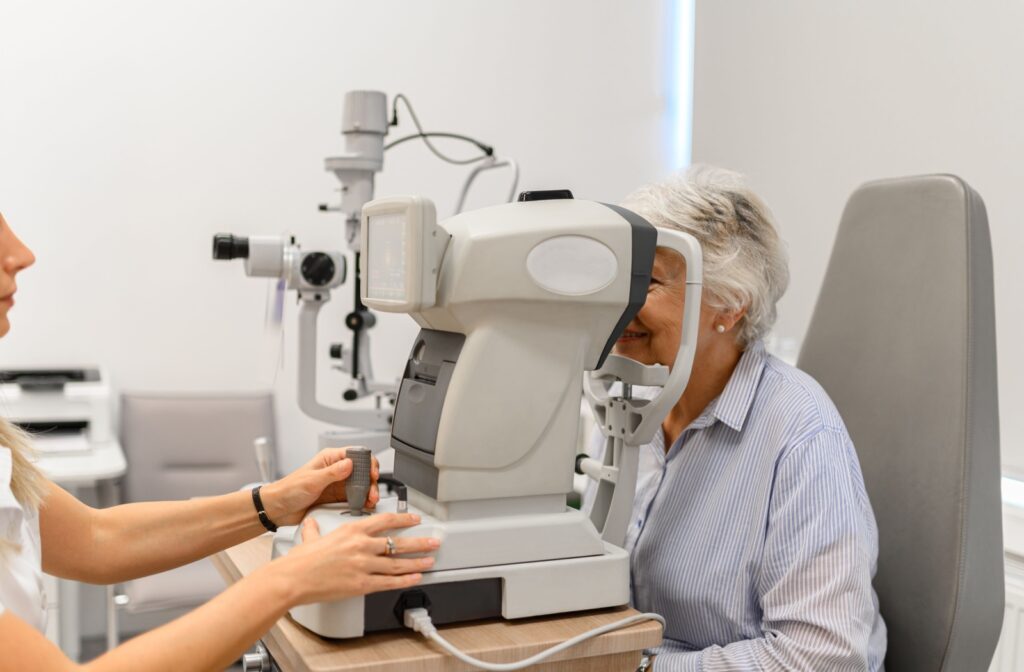
A thorough eye exam goes far beyond reading letters on a chart. Your eye doctor examines the inside of your eyes using special equipment that can spot problems you can’t see or feel. Comprehensive eye exams can detect over 270 health conditions beyond just vision problems.
During your exam, the eye doctor checks your retina and optic nerve for signs of damage or disease. They measure the pressure inside your eyes and can even detect early signs of diabetes, high blood pressure, and other health conditions through changes in your eye tissues.
Beyond Vision Testing
Your eye doctor evaluates how well your eye muscles work together and examines the condition of your cornea and lens. They also review your family history and personal risk factors that might affect your eye health.
This comprehensive approach helps catch problems that a simple vision screening might miss. Modern diagnostic testing can reveal early signs of conditions like glaucoma and diabetic retinopathy.
Age-Specific Vision Care Needs
Your eyes face different challenges and risks at various stages of life. Children need early detection of conditions like myopia and amblyopia that can affect their development and learning.
Adults require regular updates to their prescriptions and monitoring for conditions related to computer use and lifestyle factors. Seniors face higher risks for multiple eye conditions that become more common with age.
Children’s Eye Health Priorities
Children should have their first comprehensive eye exam between the ages of 3 and 5, before starting school. Clear vision directly impacts their ability to learn and succeed in the classroom.
Conditions like lazy eye respond well to treatment when caught early, but can become much harder to correct as children get older.
Adult and Senior Considerations
Extended computer use can increase dry eye symptoms and eye strain in adults. People with diabetes need annual dilated exams to monitor for retinal changes.
After age 60, cataract formation accelerates, and the risk for other age-related conditions increases significantly. Adult and senior eye exams focus on detecting these common age-related changes.
How Often You Should Schedule Eye Exams
Your exam frequency depends on your age, health status, and risk factors. People with diabetes should have annual comprehensive exams to monitor for retinal complications.
Children should have annual pediatric vision screenings to support their development and academic success while adults should have comprehensive exams every 1–2 years depending on their individual needs.
High-Risk Groups Need More Frequent Care
You may need more frequent exams if you have a family history of eye disease, chronic health conditions like diabetes, or previous eye injuries or surgeries. An eye doctor in Fountain Valley can help determine the right schedule based on your individual risk factors.
Warning Signs That Need Immediate Attention
Some symptoms require urgent care rather than waiting for your next scheduled appointment. Sudden vision changes, eye pain, or persistent redness can signal serious problems that need prompt treatment.
New floaters, flashes of light, double vision, or halos around lights also warrant immediate attention from an eye care professional. Emergency eye care can prevent permanent vision damage when you respond quickly to concerning symptoms.
Contact your eye doctor right away if you experience eye drainage, unusual discharge, or sudden difficulty seeing at night. These symptoms might indicate infections or other conditions that can worsen quickly without treatment.
Don’t Wait for Your Next Appointment
Taking care of your vision means staying proactive about regular exams and responding quickly to concerning symptoms. Total Vision Fountain Valley provides comprehensive eye care for families, children, adults, and seniors to help preserve your eye health at every stage of life. Schedule your preventive eye exam today to protect your vision for years to come.