

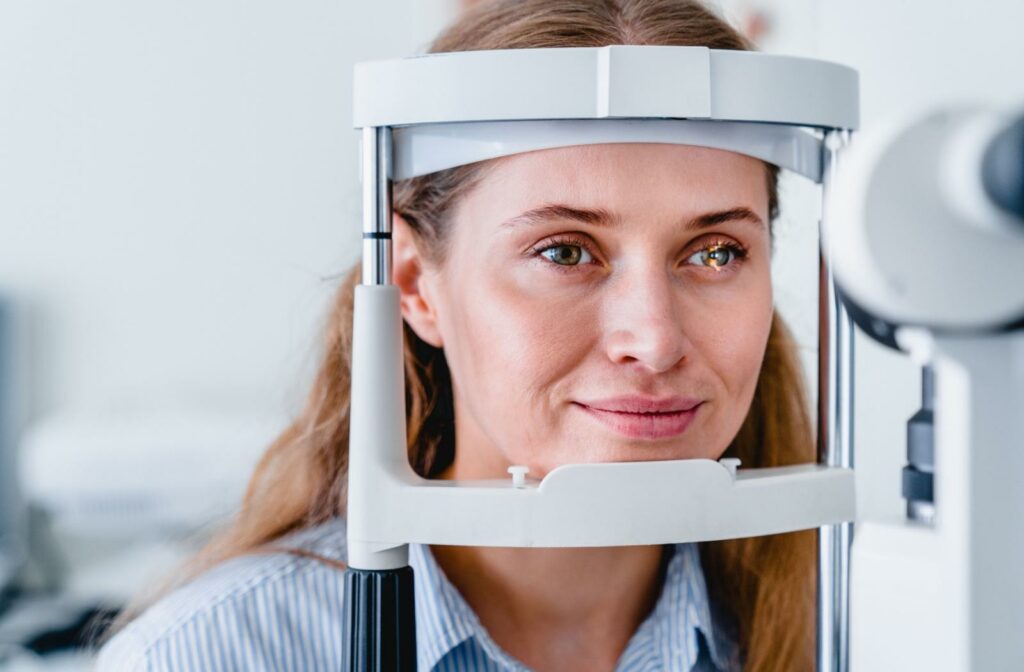
You might sit in the exam chair and suddenly remember a blurry spot you noticed last week. You might also realize you left your regular glasses on the kitchen counter at home. A little preparation helps your appointment run smoothly.
To get the most out of your visit, you can bring your current glasses, contact lens foils, relevant health records, insurance cards, and a list of specific vision questions. The right preparation helps your eye doctor at Total Vision Fountain Valley properly assess your needs. You can relax knowing you have everything ready for a successful appointment.
Key Takeaways
- Pack your current glasses and contact lenses for the optometrist to review.
- Gather your health history and a list of current medications.
- Have your medical insurance and vision coverage cards ready.
- Plan ahead for dilation by bringing dark sunglasses and a driver.
- Write down any vision changes or questions for the team.
Current Glasses and Contact Lenses
Your eye doctor needs to see how well you read a book or drive a car with your current prescription. Bring 1 or 2 current pairs of glasses to your appointment so the team can evaluate the fit and lens condition. You should also bring your contact lenses and prescription sunglasses.
Our team can check the lenses under special instruments to see if your prescription needs an update. Having your everyday glasses on hand gives your eye doctor an accurate starting point.
Past Eye Care Records
Your past vision history gives your eye doctor a clear baseline for your eye health. Bring old vision prescriptions to show exactly how your eyes change over time. Share records from past visits with other clinics to build a complete medical file. This information helps our team track conditions like myopia.
Health History and Medical Details
Family History
Your overall health affects your eyes in many surprising ways. Share your family history of eye conditions with our team, as many vision issues run in families. Mention systemic health issues, such as diabetes or high blood pressure, as well.
High blood sugar can impact your vision over time and damage the tiny blood vessels in your eyes. Sharing these details helps your eye doctor identify potential health risks early.
Medication List
Certain drugs affect your eyes and can change how much moisture they produce. Include your current prescription medications on a written list. You can simply hand this paper to the staff at the front desk. List over-the-counter supplements too.
Insurance Cards and Identification
Medical and Vision Coverage
A smooth check-in helps get you out of the waiting room and into the exam chair faster. Bring your vision coverage card to help pay for routine checks and new glasses. Bring your regular medical insurance info as well to cover comprehensive health screenings.
Medical insurance can help cover exams for eye conditions such as cataracts or glaucoma. Having both cards ready helps the front desk process your visit quickly and prevents billing surprises later.
Payment and Forms
The front desk will typically need a few quick details before your exam starts. Have a photo identification card ready to verify your identity. There may also be some paperwork to complete. However, you can often fill out paperwork online before you even leave your house. Finishing these forms early keeps your appointment on schedule.
Preparation for Dilation and Tests
Sunglasses and Transportation
Your eye doctor might use special drops to widen your pupils during the exam. This process lets more light into your eyes so the optometrist can see the back of your retina clearly. Bring dark sunglasses for light sensitivity after the appointment.
Bright sunlight can feel very harsh and make you squint on your drive back. Arrange a ride home safely to keep you comfortable on the road if your vision feels blurry.
Makeup and Cosmetics
Your eye doctor examines your eyelids and lashes with a bright light to look for inflammation. Leave your mascara and heavy makeup at home on the day of your visit. Flakes of makeup can fall into your eyes and interfere with the tests.
A clean face allows our team to check for signs of dry eye or infection. Keep the eye area clean for a more accurate and comfortable evaluation.
Symptom Notes and Questions
Signs of Vision Changes
Daily life can reveal small changes in how you see the world. Write down specific things you notice while reading a book or driving at night. Look out for these signs:
- Frequent headaches
- Blurry vision
- Dry or scratchy eyes
Questions for the Team
A written list helps you remember everything you want to ask during your visit. Write down questions about myopia if your distance vision feels fuzzy. If you are struggling with eye strain, ask your eye doctor about screen time and how to protect your eyes at work.
Come See Us
A little preparation can go a long way. Our team at Total Vision Fountain Valley can help you find comfortable solutions. Schedule your next visit today to take the first step in keeping your eyes healthy.