


Key Takeaways
- UV400 means the lenses block light waves up to 400 nanometers in length.
- These glasses filter nearly 100 percent of invisible ultraviolet rays from the sun.
- Polarized lenses reduce sharp glare but do not automatically offer sun protection.
- Dark tinted lenses do not guarantee safety for your vision.
- An eye doctor in Fountain Valley can help you select appropriate eye protection.
UV400 Helps Protect Your Eyes
A UV400 label on sunglasses means that their lenses block light waves up to 400 nanometers and filter out nearly all ultraviolet rays from the sun. This level of protection helps keep your eyes safe from invisible radiation during all your outdoor activities.
If you’re looking for a new pair of prescription or regular sunglasses, our team at Total Vision Fountain Valley can help you find options that fit your style and vision needs.
What Does UV400 mean?
Ultraviolet Light Basics
The sun emits light wave radiation that we can’t see with the naked eye. One form of this radiation is known as ultraviolet (UV) light. UVA rays can penetrate your skin and affect the structures underneath, while UVB rays can lead to sunburns if you spend too much time outside unprotected.
Prolonged exposure to UV light can damage your vision over time.
What the Number 400 Indicates
The ‘400’ on your sunglasses tag refers to the wavelengths of light that your sunglasses block—up to 400 nanometers. This range covers both UVA and UVB radiation.
UV400 lenses filter nearly 100 percent of ultraviolet rays, thereby protecting your eyes from long-term damage.
The Impact of Sunlight on Your Eyes
Long Term Exposure Effects
Time spent in the sun affects your vision long after you go back inside. This is because UV light penetrates the front part of your eye and slowly alters proteins deeper inside. Constant exposure may also lead to surface changes on the white part of your eye over time.
These shifts, both internal and external, can lead to gradual changes in your vision and may cause issues like cataracts or macular degeneration later in life.
Differences Between UV400 & Polarized Lenses
The Function of Polarized Glasses
Polarized glasses are designed to filter reflected light from flat surfaces. This includes glare caused by water when you go fishing or drive on a wet road.
Glare reduction makes your vision much more comfortable on bright days. However, polarization doesn’t automatically provide ultraviolet protection. A lens can reduce glare while still letting harmful invisible rays pass through to your eyes.
Combination of Polarized & UV Lenses
If you opt for polarized lenses, it’s important to check that they also offer UV protection. Many modern frames combine both lens technologies into one stylish package.
Advice from an Eye Doctor in Fountain Valley
There’s a common myth which suggests that darker lenses are safer for your eyes. However, dark tints don’t offer extra protection against UV light. Very dark glasses without proper filters actually cause your pupils to widen, which allows more light to enter your eyes and ultimately increases UV exposure.
Always check for UV protection rather than judging based on the color of your lenses.
Prioritize Routine Vision Exams
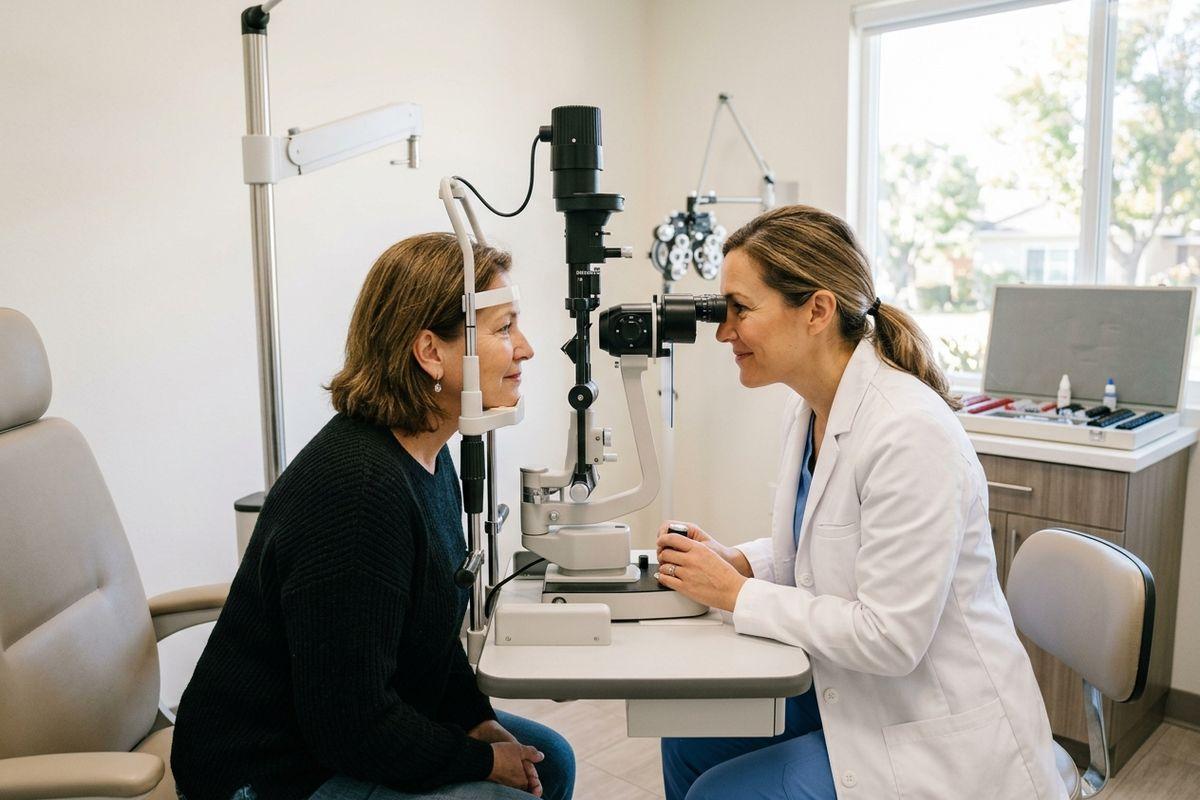
A visit to an eye doctor in Fountain Valley helps you keep your vision on track. We can evaluate your current sun protection and recommend appropriate options for your family. A thorough exam helps monitor your eyes and track changes over time.
Our team at Total Vision Fountain Valley is here to help you preserve your eye health for the future. Schedule an eye exam today to discuss the right sun protection for your lifestyle.